We process your personal information to measure and improve our sites and service, to assist our marketing campaigns and to provide personalized content and advertising. By clicking the button on the right, you can exercise your privacy rights. For more information see our privacy notice.
Privacy Policy

What is the Easiest Way to Make Hard Covers?
July 26, 2018
This is an exciting article for me, because I get to talk about some of my favorite binding-related things! How to make DIY hard covers, without a crazy expensive machine. These hard binding covers are so simple to make, that anyone (even a child) can do it! Check out these easiest ways to make hard covers:
• Pinchbook DIY Hard Covers
Pinchbooks are the only kind of hard covers that you can make without equipment, without tools, and in just 5 seconds. Yes, you read right...literally 5 seconds to make these DIY hard covers. They are this super innovative hard cover that you can use for photobooks, business presentations, real estate portfolios, and so much more. All you have to do to use them is open the covers up past the halfway point, slide your pages into the spine (which is patented, by the way; so no one else can make a spine like this), and then close the covers. Your pages are held tight in place, and won't come out until you open the covers past that halfway point again, making them easily editable as many times as you need too!
Check out this video I made from my own volition when I received my order of Pinchbooks for some Christmas gifts last year...I am obsessed with these things! And even though I used them for photo books, that is definetly not the only thing you can make with them; use them for restaurant menus, client presentations, financial reports, student handbooks, and so much more.
My only problem with Pinchbooks (if you can even call it a problem) is that they only allow for binding about 35 sheets of paper; so you can't use them for big books. Aaaaaand, as a color obsessed woman, I also wish there were more bright and vibrant colors to choose from, which I hope will change in the coming years as more and more requests come in ☺. Click here to shop Pinchbooks and see why I am swooning.
• Coverbind Hard Covers
Coverbind is probably my favorite way to actually bind pages. I italicize that because this method does require a machine, unlike the Pinchbooks discussed previously. But the machine options that are incredibly fast and easy, and won't break the bank. Plus, the covers will hold up to 2" of sheets, so they are perfect for thicker books to bind.
Coverbind is a type of binding called thermal binding; they use thermal binding covers (which come in hard covers and various other cover options) and a thermal binding machine. They have fully automated thermal binding machines, as well as tabletop models that are suitable for small or mid-sized businesses. Check out this tabletop Accel Flex thermal binding machine in action, and see how easy it is to use:
Isn't that cool!? These fast thermal bidding machines paired with a hard thermal binding cover is a super easy way to make larger hard cover books, and is really affordable for a business.
• Unibind Hard Covers
Unibind also makes thermal binding machines and neat thermal binding covers that come in a hard cover option. The primary difference between them is that unibind uses a steel resin spine, whereas the Coverbind discussed before uses a more traditional hard cover. Just as easy, and only with one more "crimping" step, I also consider Unibind one of the easiest ways to make DIY hard covers.
Easy, right?! My only wish is that there were more colors and hard cover options available for Unibind, because they are a little bit limited.


Hi! My name is Mallory and I have been in the industry since 2008. If you do the math, that is over 15 years. I have spent my time at Binding101 in many roles, including customer service, sales, e-commerce management, video production, and more! Because of this vast experience, I bring a truly expert touch to the content in our blog. widdling down complex topics to extract what our customers really want to know. As the Content and UX Manager, I act as a writer and editor for the majority of copy you will find here. When not at my computer, I love spending time binging stand-up comedy, baking, and cuddling up with my family and rescued cats and dogs...
Related Products
-
 11" H x 8-1/2" W Portrait Pinchbook™ Hardcover Photo Books (5 Pack)
Starting at: $67.82
-


Comment(s)


Trending Now

How to Bind Paper
January 29, 2019
What are the Best Laminators for Foiling?
July 10, 2018
How to Make a Wire Calendar 3 Different Ways
September 04, 2018
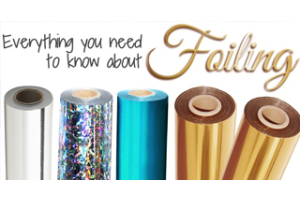
Everything you need to know about Foiling (with FAQs)
June 22, 2018
